A common mistake in planning a pilgrimage in Lebanon is to pack every site into every day. People arrive with a list and leave exhausted. Here is a gentler four-day itinerary, based from Jounieh, where the main sites are within reach by road. It works for parish groups, family pilgrimages and tour organisers.
Why base a pilgrimage in Jounieh
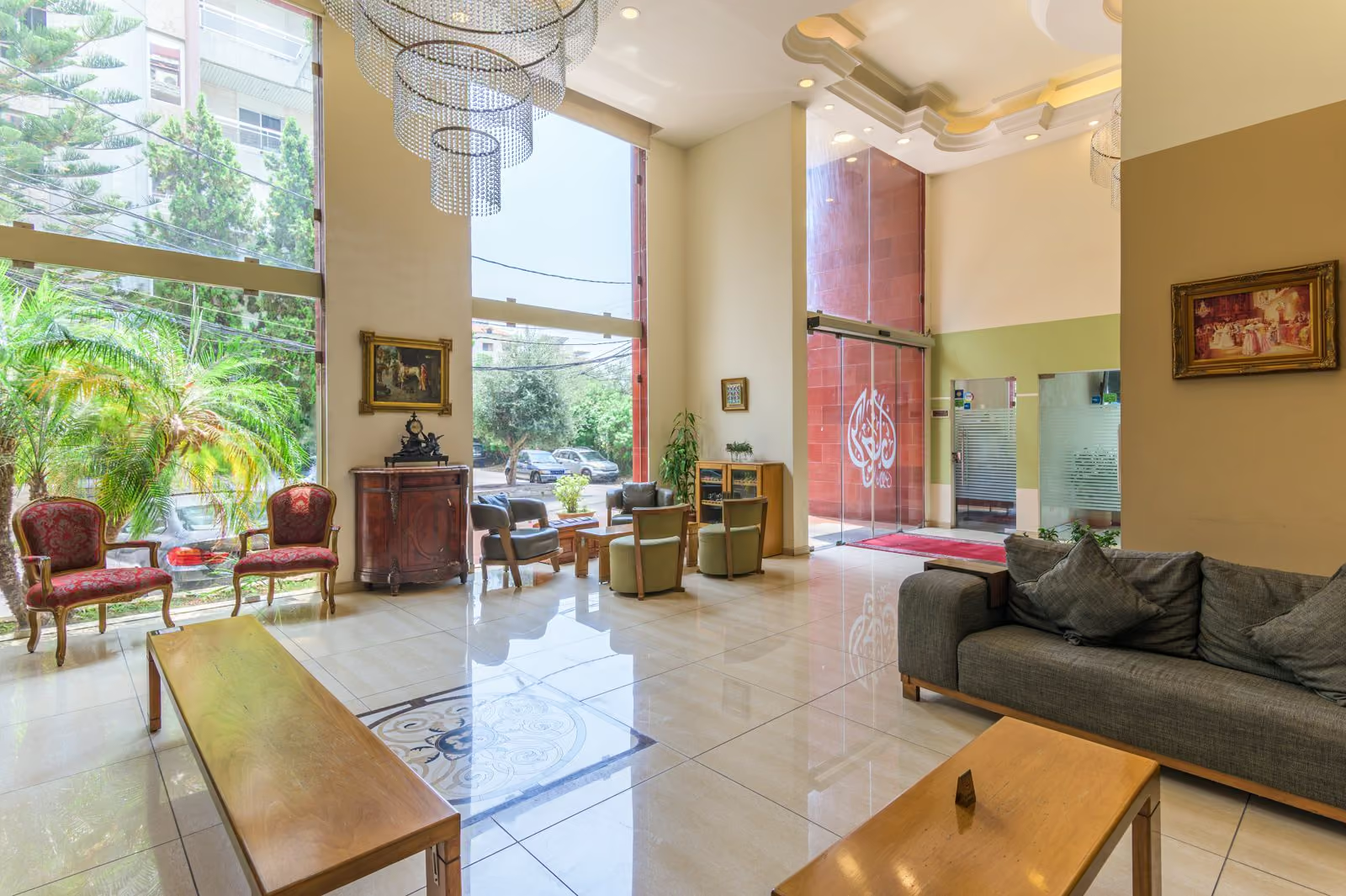
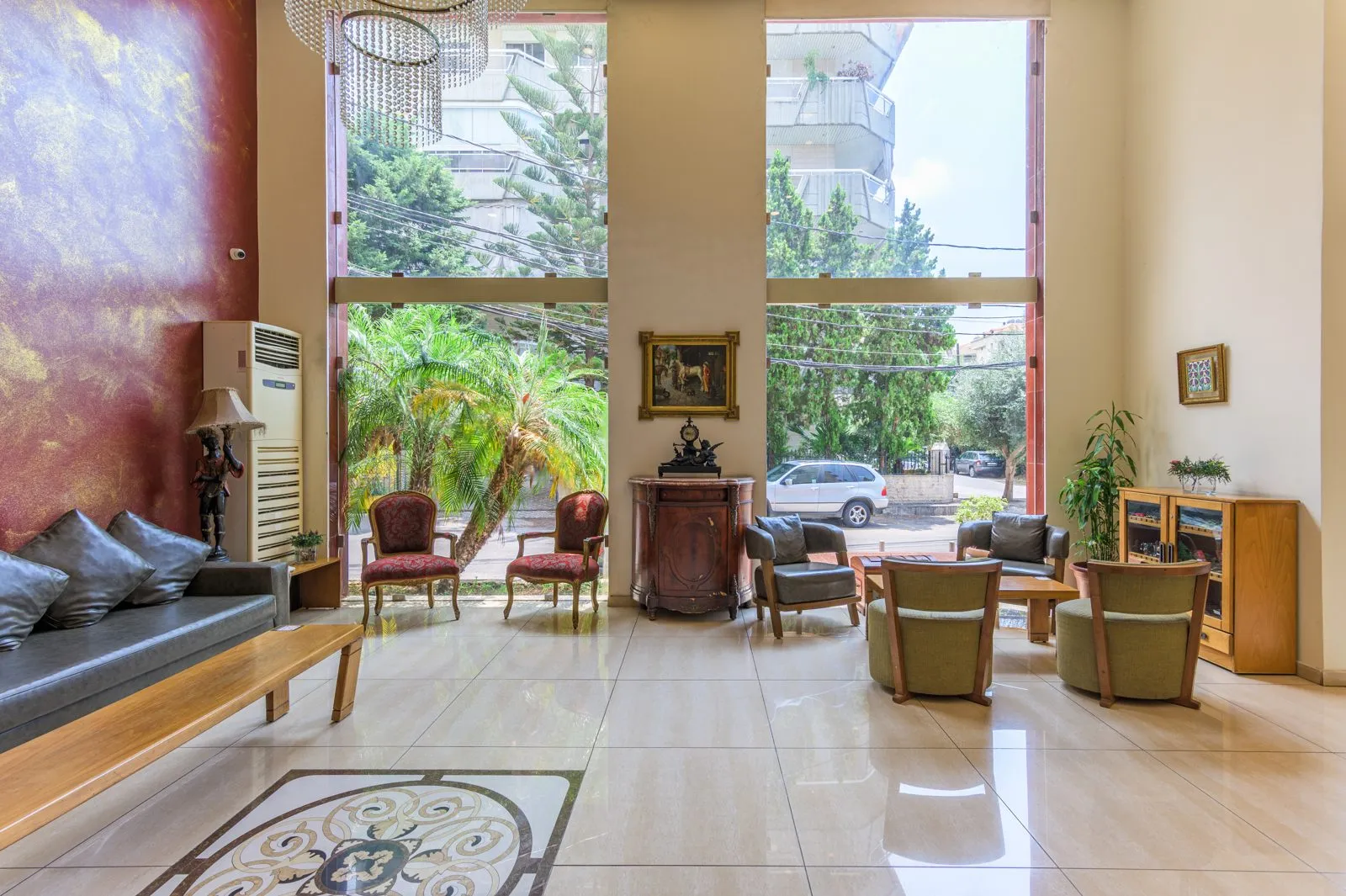
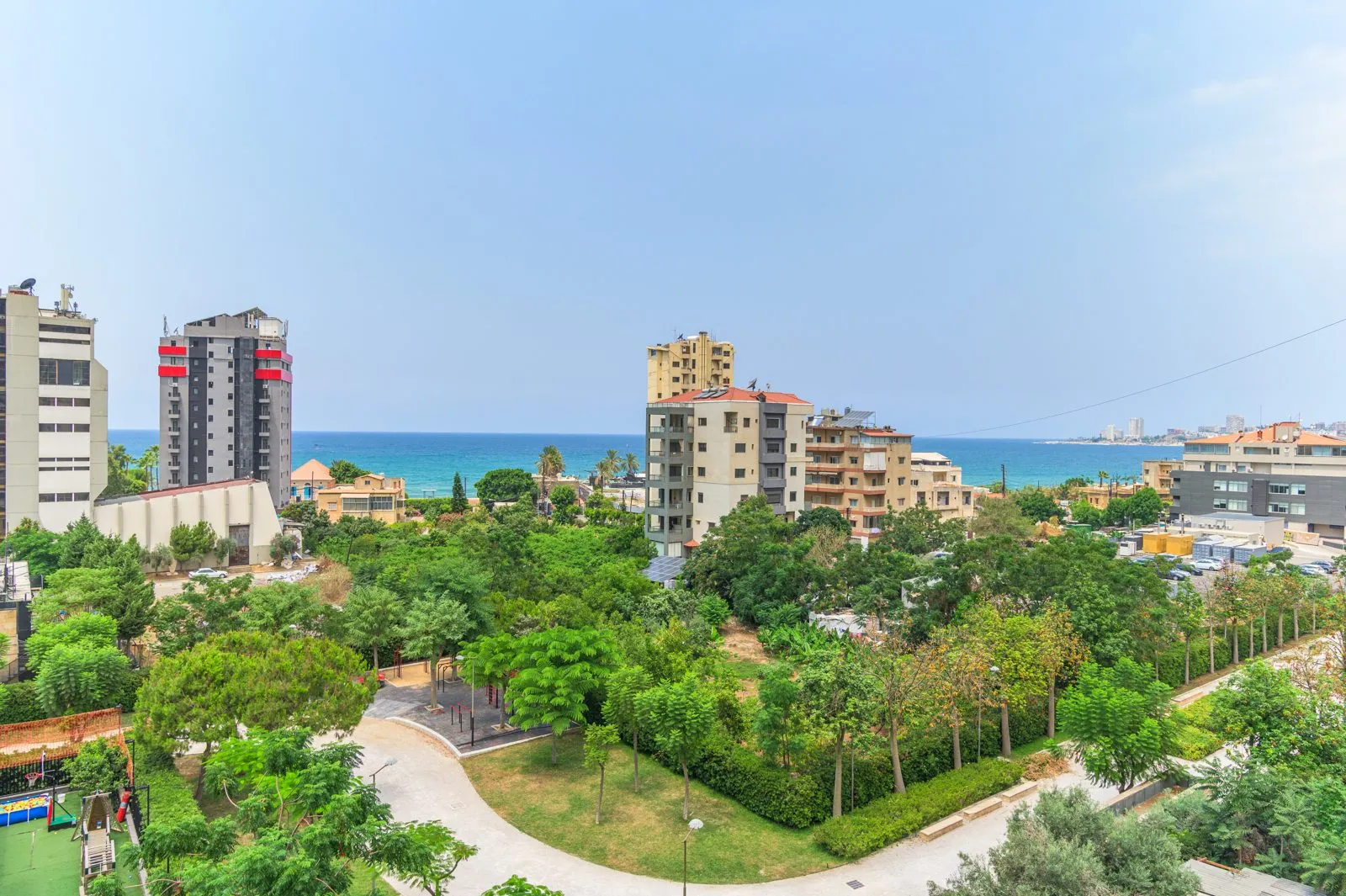
Jounieh sits between Beirut and Byblos, at the foot of Harissa. From here Our Lady of Lebanon is close, Annaya and Byblos are within about an hour in clear traffic, and you return each evening to the same hotel without packing. Staying in one place saves a group a great deal of energy. For the hotel side, read our guide to planning a group stay near Harissa.
Day one: arrive and settle
Whatever time you land, treat the first day as a rest day. Check in, eat a proper dinner and sleep. If the group is energetic, a short walk on the seafront helps shake off the flight. Tell the hotel your arrival time so rooms and a first meal are ready.
Day two: Harissa and Our Lady of Lebanon
Go in the morning. Our Lady of Lebanon is the heart of many Marian pilgrimages here, and the sanctuary is a place to sit and pray, not only to see. Take the cable car up if the weather is clear, and leave time for the cathedral nearby. Come back down for a long lunch and a rest. Read how to get there in our guide to Jounieh to Harissa by cable car, taxi or coach and the Harissa guide.
Day three: Annaya and Byblos
This is the longer day. Annaya, the monastery of Saint Charbel, is north of Jounieh in the mountains of the Jbeil district, and many groups spend a good part of the morning there. Allow time for Mass if you want to attend, and check visiting times beforehand. The Wikipedia page on Saint Charbel gives the background. In the afternoon, Byblos is a gentle contrast: an old harbour town with ruins, a small souk and a place for coffee. Expect around an hour in each direction, depending on traffic. Our guide to religious tourism in Lebanon covers both sites in more detail.
Day four: a slow morning, then home
A late breakfast, packing, maybe a last prayer at a nearby church. Do not schedule anything large before an afternoon flight, and allow three to four hours before departure for the airport.
Practical points for group leaders
- Lebanese roads can be slow. Add buffer time to any drive.
- Dress modestly at religious sites, and carry something warm for the mountains in winter.
- Fasting and feast days change what restaurants can serve and when sites open. Tell the hotel early.
- Longer trips into the Qadisha Valley or the Cedars need a full extra day.
- Plan rest. Elderly pilgrims especially benefit from an afternoon at the hotel.
When to go
Spring and autumn give the best weather for walking and sightseeing. Winter is cooler and quieter, with clearer skies after rain. Summer is hot, and some pilgrims prefer to avoid the middle of the day. Our seasonal guide to Jounieh helps you choose.
What the hotel can arrange
We can hold rooms, set up group breakfasts and dinners, and offer a hall or meeting room for a talk or prayer. Tell us your dates, number of guests and the programme, and we send a written proposal.
Frequently asked questions
How many days do you need for a pilgrimage in Lebanon?
Four days covers Harissa, Annaya and Byblos at a calm pace. Add a day for the Qadisha Valley or the Cedars.
Where is Saint Charbel's monastery?
Annaya is in the mountains of the Jbeil district, north of Jounieh. Allow around an hour each way depending on traffic.
What should pilgrims wear in Lebanon?
Modest clothing for religious sites, comfortable shoes and a warm layer for the mountains.
Can a Jounieh hotel handle a group of pilgrims?
Send us the number of guests and dates. We have 34 rooms, so large groups need early notice.
 Faith and Pilgrimage
 Jounieh Guide
 Travel Tips